Missed Call Scams UK: Should You Call Back?
 Written by Bryn Thompson, on . Last updated
Have you received a missed call from a number you don’t recognise? Don’t rush to call it back. Some missed call scams are designed to make you curious enough to return the call, which could connect you to an expensive premium-rate number.
If you are unsure who called, the safest approach is to check the phone number first. Search for the number online, look for reports from other people and only call back if you can verify who it belongs to.
Missed call scams are sometimes known as Wangiri scams, meaning “one ring and cut”. The caller rings briefly and hangs up, hoping you will return the call.
In this guide, we explain how missed call scams work, the warning signs to look for and how to check an unknown phone number safely.
Before you call back
A missed call does not mean you need to ring back straight away.
1. Check the number
Search the phone number online to see whether other people have reported it as suspicious.
2. Check for warning signs
Be cautious of unfamiliar international numbers and numbers beginning 070, 076, 084, 087, 090, 091 or 118.
3. Verify the caller
If the caller claims to be from a bank, company or other organisation, find its official number independently rather than relying on the number that called you.
If you still cannot verify who called, it is safer not to call back.
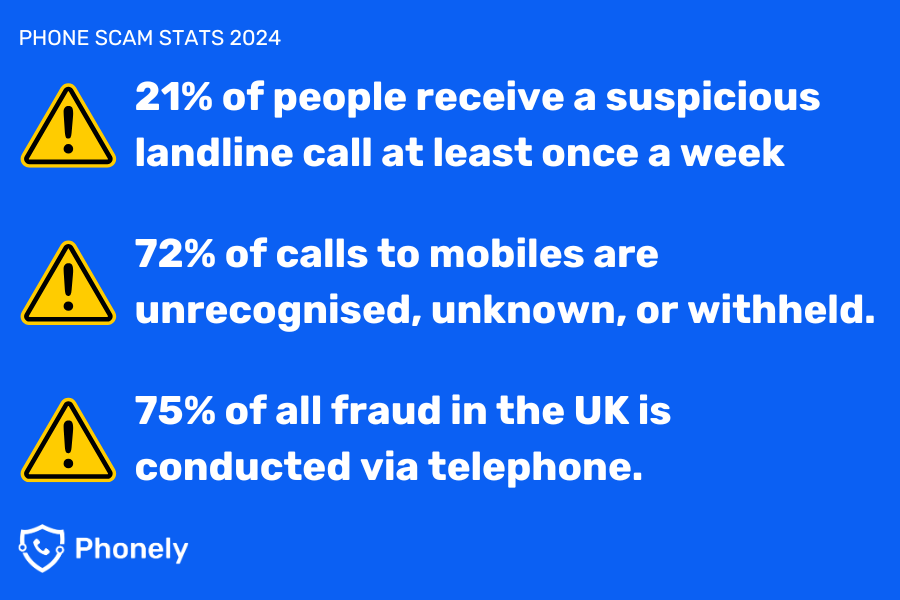
Quick-win tips to protect yourself
Before we jump into all the details, here are five fast, actionable steps you can take right now:
- Check unknown numbers before calling back
If it’s important and legitimate, they’ll usually leave a voicemail or try another method - Verify before dialling
Run the number through a service like NuisanceCalls.org.uk to see if it’s been flagged as a scam. - Stay alert for premium-rate codes
Watch out for unfamiliar area codes or any numbers starting with 084, 087, 090, 091, or 118. - Use call-blocking technology
Real-time call blocking (like Phonely’s Digital Home Landline with CallGuard) automatically identifies and blocks scam calls. - Report suspicious calls
If you suspect a scam, report it to the appropriate authority and share the number on NuisanceCalls.org.uk to help warn others.

Should I call back a missed number?
If you don’t recognise the number, don’t call back immediately. A genuine caller may leave a voicemail, call again or provide another way to identify themselves.
Instead, check the phone number online first. This can help you see whether other people have reported it as a scam, nuisance call or suspicious number.
Ofcom specifically advises people to think before returning missed calls from numbers they don’t recognise. Some missed call scams are designed to connect you to premium-rate services when you call back.
If you’ve missed a call on your landline, you may also be able to find out who your last caller was.
What are missed call scams & how do they work?
Missed call scams occur when scammers leave a missed call on your phone from a number you may or may not recognise. They prey on people’s natural inclination to return missed calls, especially those from seemingly local or familiar numbers. Here’s how it unfolds:
Ready to switch?
Move to a safer digital landline in minutes.
Simple digital landline plans with automatic call blocking and friendly UK support.
See plans & pricesDiscover featuresThe bait
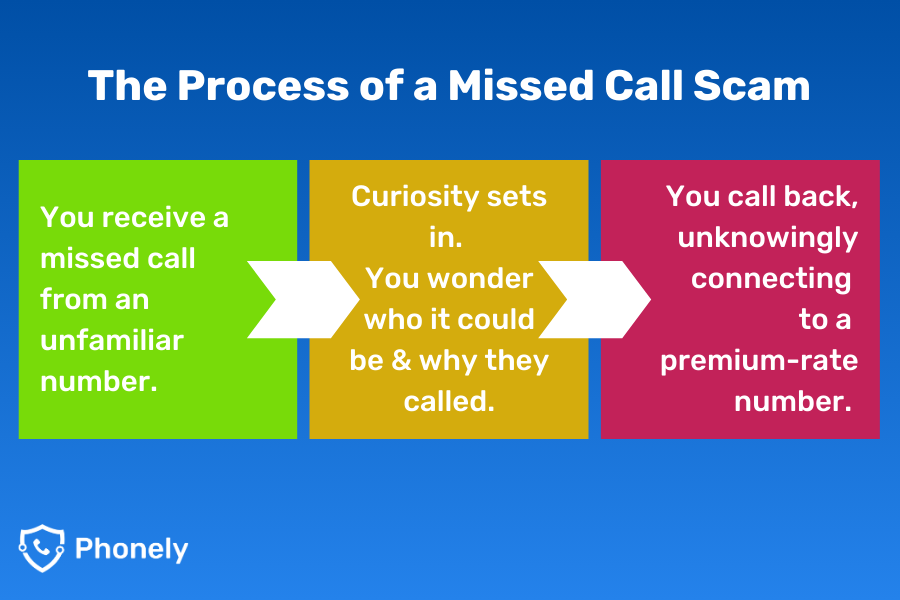
You receive a missed call from an unfamiliar number. It might display a local area code or even appear to be a friend’s number. This could be the result of number spoofing.
The hook
Curiosity sets in. You wonder who it could be and why they called. Is it important? Should you call them back? If so, when? Now? Later? You just can’t stop thinking about it! And this is what the scammers want.
The sting
You call back, unknowingly connecting to a premium-rate number. The longer you stay on the line, the more money the scammers steal. These calls can be costly, racking up charges of hundreds of pounds.
In some variations, scammers might leave a brief voicemail urging you to call back for an urgent message or a missed opportunity. Don’t let an urgent message pressure you into calling back. These are simply tactics to heighten your curiosity and pressure you into returning the call.
Signs of a missed call scam
Whether you use a mobile device, a home VoIP phone or are still using your trusty copper-wire-based landline, there are a few red flags to look out for. After all, not all missed calls are created equally.
Quick calls:
Scammers usually let the phone ring just once or twice, ensuring you see you’ve missed a call but don’t have time to answer. This piques your curiosity and makes you more likely to call back.
Numbers resembling mobiles:
Scammers sometimes use numbers that look like regular mobile numbers (e.g., starting with 070 or 076) but are actually premium-rate numbers with hidden costs.
Unknown area codes:
If you notice a missed call from a number with an unfamiliar area code, always be cautious. Scammers often use non-geographic numbers such as 084, 087, 090, 091 or 118 to lure you into calling them back.
International area codes:
Missed call scams can also use unfamiliar international numbers. An international number isn’t automatically suspicious, but if you weren’t expecting the call, check the number before ringing back.

The nasty extras: Spoofing & phishing
Scammers are constantly evolving their tactics. Here are two additional tricks to be aware of in respect of phone scams:
Protect your landline from scams and nuisance calls.
CallGuard blocks suspicious numbers automatically and helps keep vulnerable loved ones safer.
View CallGuard plansWhat is number spoofing?
This involves manipulating caller ID to make it seem like the call is coming from a familiar number, such as a friend, family member, or even a local business.
What is phishing?
After you return a missed call scam, the scammer might try to engage you in conversation to obtain personal information like your bank details or login credentials.
Implications of returning a scam call
Returning a call to a scam number can have several negative outcomes:
- High charges: Premium-rate numbers can leave you with a shockingly high phone bill to the tune of hundreds of pounds for that one call.
- Personal information risk: You may inadvertently share personal details if scammers try to chat with you.
- Continued targeting: Once you call back, scammers know you’re more likely to respond in the future.

How to protect yourself from missed call scams: Fight back!
Now that you’re armed with the knowledge to identify missed call scams, here are some suggestions of practical steps you can take to protect yourself:
- Don’t call back: Avoid returning calls to unknown or unrecognised numbers. If it’s important, the caller will find another way to reach you.
- Verify the number: Use a free online tool like NuisanceCalls.org.uk to check whether others have reported the number as suspicious.
- Enable call blocking: Automated, real-time call-blocking tools keep you a step ahead of constantly changing scam numbers.
Additional tips for staying safe
There are several other measures, some free, that can further protect you from phone scams:
- Register with the Telephone Preference Service (TPS): This free service helps reduce unwanted calls. However, it only blocks legitimate businesses from sales or marketing calls.
- Use your phone’s built-in features: Most modern phones have options to block or report suspicious numbers. It’s a simple way to add an extra layer of protection.
- Beware of urgent messages: Scammers often use urgency as a tactic to pressure you into action. If an unknown caller insists you call back immediately, it’s a warning sign.
- Never share personal information: Avoid sharing personal and sensitive details with unknown callers.
- Report scams: If you believe you’ve been targeted by a missed call scam (or scam of any kind), learn how to report scams to the relevant authorities and share your experience with others to help raise awareness.

FAQs:
While someone cannot normally access your bank account simply by knowing your phone number, scammers can use your number as part of phishing or impersonation scams. Never share banking details, passwords or security codes with an unexpected caller.
Unfortunately, there is no foolproof way to prevent scammers from spoofing your phone number. If you believe your number is being spoofed, contact your phone provider for advice.
How can I find out who this phone number belongs to?
Search the number online or use a phone number checking service such as NuisanceCalls.org.uk to see whether other people have reported calls from it. Remember that caller ID can be spoofed, so the number displayed is not always proof of who is calling.
Simply answering an unexpected call does not necessarily mean you have been scammed. However, if the caller seems suspicious, avoid sharing personal or financial information and end the call.
I keep getting random mobile numbers calling me, what can I do?
If you think the calls are suspicious, avoid returning them until you have checked the number. You can also block persistent callers and report suspected scam calls. Phonely customers can use CallGuard to help block known nuisance and scam numbers.
You cannot search a withheld number in the same way as a visible phone number. If the call is important, the caller may try again or leave a voicemail. Avoid sharing personal or financial information if you do answer an unexpected call.
If you don’t recognise the number, check it before calling back. Search the number online and look for reports from other people. If you cannot verify who called, it is safer not to return the call.

UK government efforts to combat missed call scams
The UK government is taking steps to tackle phone scams. Ofcom has introduced measures to block fraudulent numbers and is working with telecom providers to prevent scammers from spoofing legitimate numbers. These initiatives, combined with services like CallGuard, provide better protection than ever before.
Conclusion: How to outsmart missed call scams
Missed call scams, or “Wangiri,” exploit our natural impulse to return a missed call, sometimes connecting you to a costly premium-rate number. Knowing the warning signs and taking a moment to check an unfamiliar number before calling back can help you avoid these scams.
Recognising the warning signs—such as a single-ring call, a voicemail urging immediate action, or a spoofed caller ID—can prevent hefty charges and protect your personal information. Simple steps like avoiding call-backs to unknown numbers, reporting suspicious activity, and verifying numbers with tools like NuisanceCalls.org.uk greatly reduce the risk. Meanwhile, real-time automatic call blocking services, such as Phonely’s CallGuard, add an extra layer of defence, especially as scammers constantly evolve their methods and change numbers daily.
Staying informed is equally crucial; phone scammers rely on confusion and curiosity to succeed. By learning to spot red flags, using reliable technology, and sharing your experiences with others, you contribute to a wider community effort to combat fraud. Ultimately, when you combine everyday caution with robust call blocking solutions, you can outsmart missed call scams and take control of your phone line once and for all.